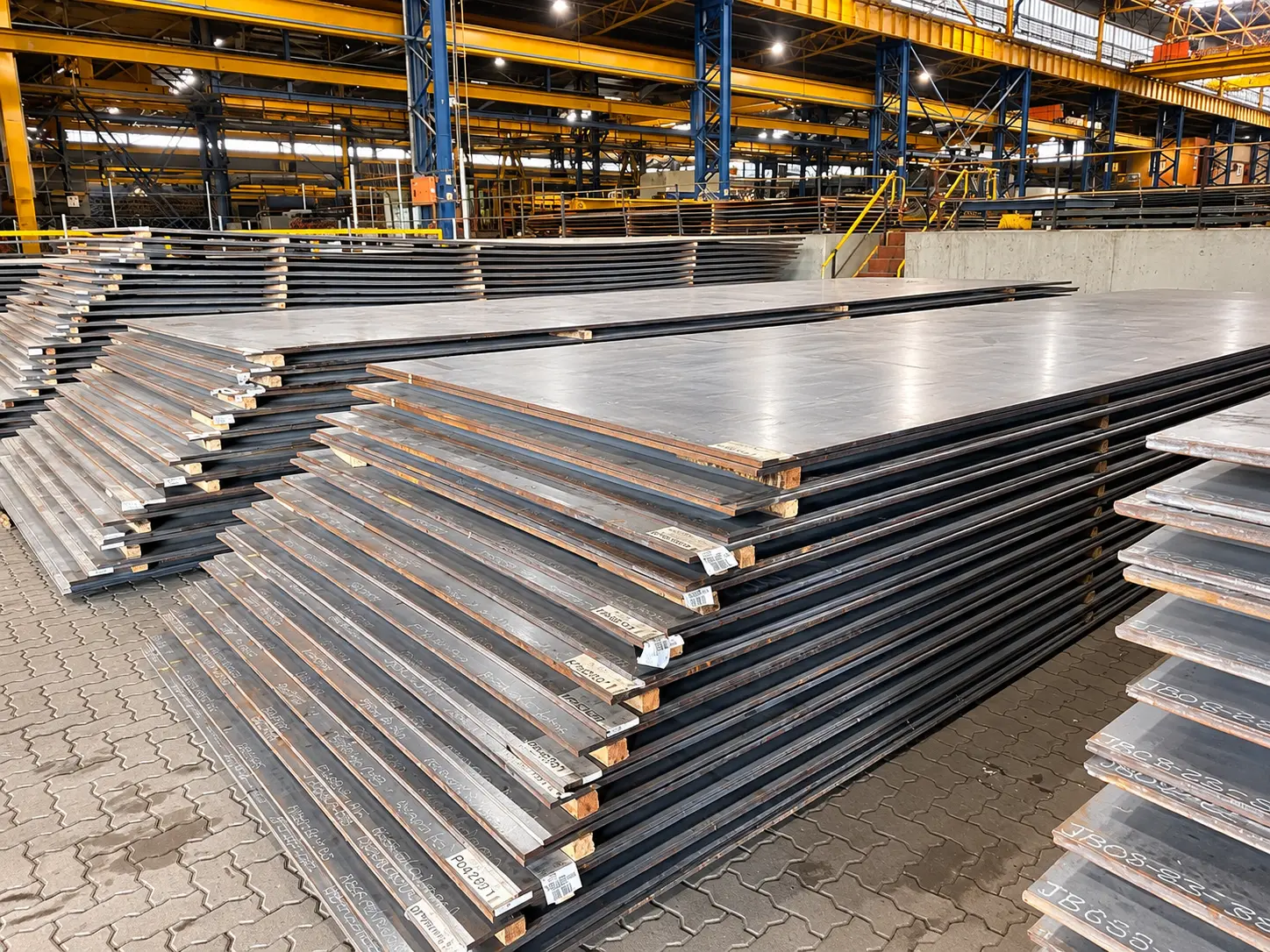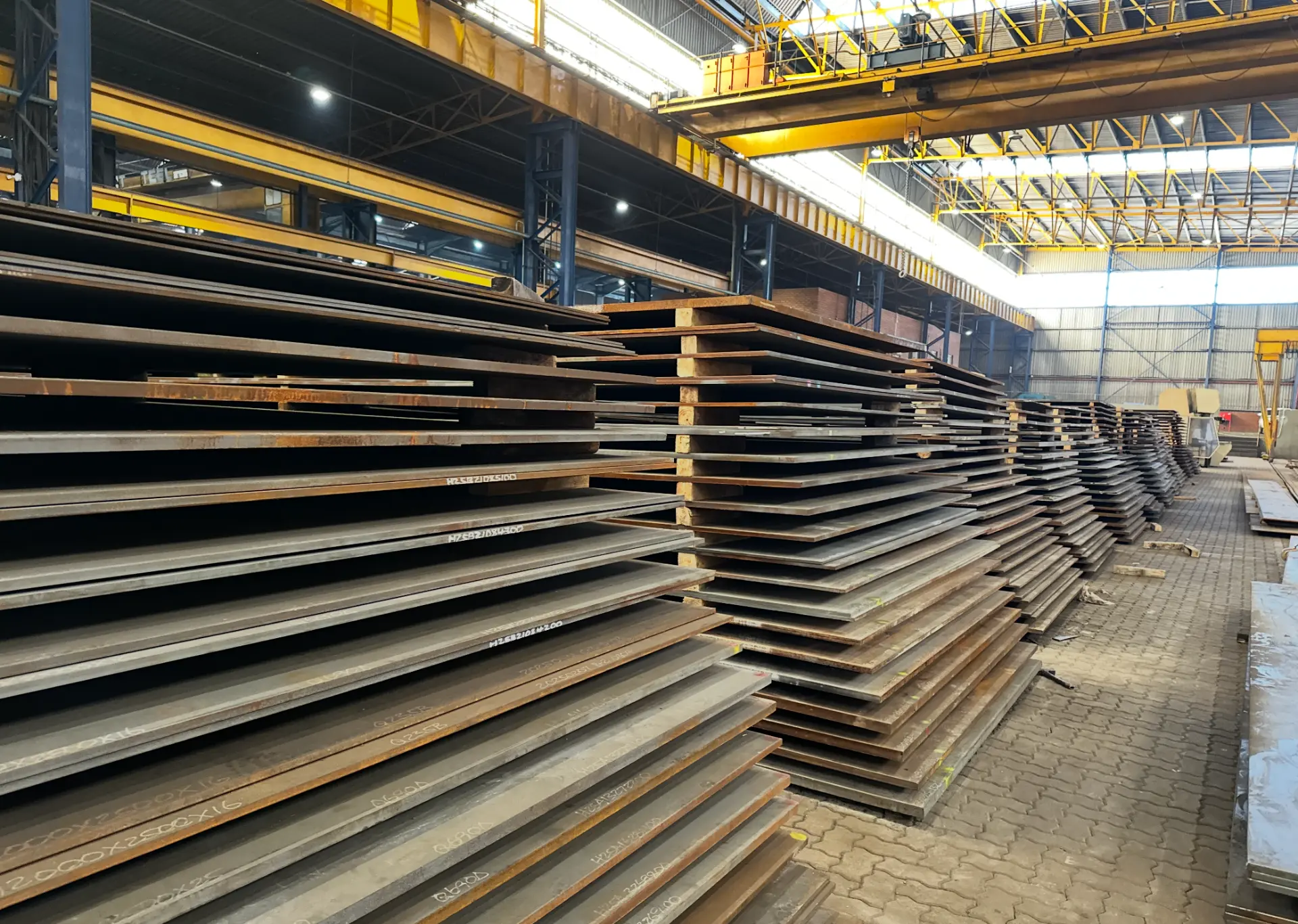
A replacement liner arrives for a planned shutdown. The plate is the correct thickness, but the holes do not line up. Or the bolts fit, but their heads stand proud of the wear surface.
Suddenly, a straightforward replacement needs extra work before the equipment can return to service.
For mining operations, quarries and engineering companies, choosing drilled and countersunk liners involves more than specifying a hard steel plate. Hole positions, bolt seating, plate thickness and installation access all deserve attention.
Understanding these details helps buyers order more accurately and maintenance teams prepare for the next replacement.
What are drilled and countersunk liners?
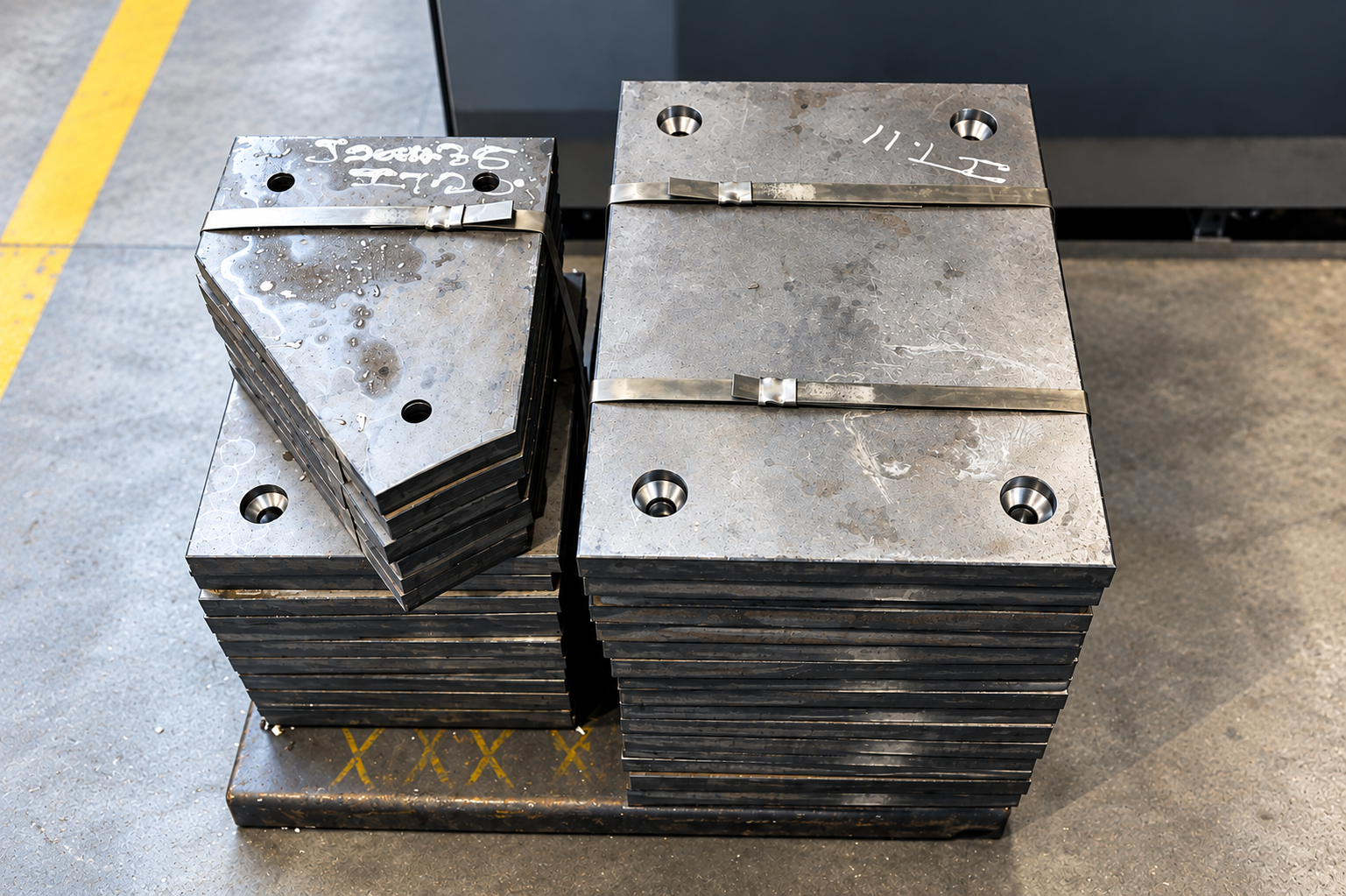
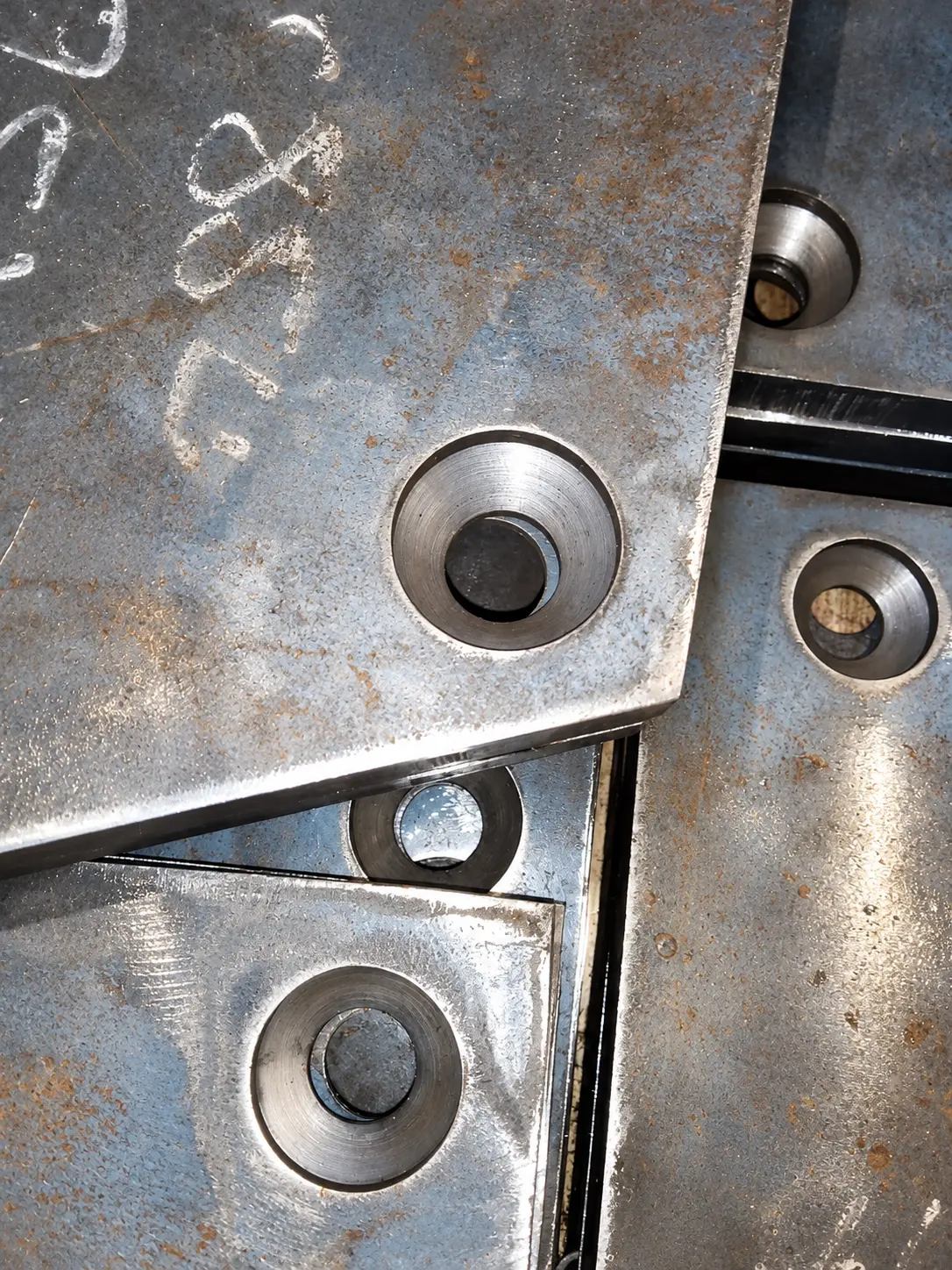
Drilled and countersunk liners are replaceable wear plates with holes for mechanical fastening. Each countersunk hole has a conical recess designed to accommodate a matching countersunk bolt head, allowing it to sit flush with or below the working surface, as specified.
The liner provides a replaceable surface between abrasive material and the equipment beneath it. Wear linings are commonly used in chutes, hoppers, transfer points and other areas exposed to material flow and wear (Sandvik Coromant).
The two machining operations serve different purposes:
- Drilling produces the hole through which the bolt passes.
- Countersinking creates the shaped seat for the bolt head.
That seat needs to match the selected fastener. A hole that accepts the bolt shank is only part of the requirement.
Why countersink a wear liner?
A countersunk fixing allows the fastener head to be recessed into the liner rather than projecting above it.
In a material handling application, this can reduce the head’s exposure to direct contact with passing material and avoid an unnecessary projection in the flow path. However, countersinking does not make the bolt wear proof: its exposure changes as the surrounding liner wears.
The important detail is the fit between the bolt head and its seat. The specified angle, recess diameter and seating depth must work together. A small chamfer around a drilled hole should not be assumed to provide the full seating geometry required for a countersunk bolt (Sandvik Coromant).
For procurement teams, “countersunk for M16 bolts” may therefore leave important information unresolved. The fastener standard or an approved bolt drawing helps define exactly what is required.
Where are bolted wear liners used?
Typical applications include:
- Conveyor transfer chutes.
- Hopper walls and discharge areas.
- Feeder and screen discharge chutes.
- Crusher feed and discharge arrangements.
- Other replaceable wear surfaces in bulk material handling.
These areas can experience different combinations of sliding abrasion and impact. A liner beneath a falling stream of coarse rock faces a different duty from one carrying material along a chute wall. The application should guide the liner design and material selection (SSAB).
This article focuses on plate liners. Specialised crusher and grinding mill liners have their own equipment specific designs and fastening requirements.
Are bolted liners better than welded liners?
Bolted liners can be a practical choice where regular replacement is expected. A suitable fastening arrangement allows worn plates to be removed mechanically, potentially reducing the cutting and weld removal associated with welded attachments. SSAB identifies bolting as an effective way to replace its wear liners quickly.
The decision still depends on access and equipment design. Before choosing a conventional through bolted arrangement, ask:
- Can the maintenance team reach the nuts behind the liner?
- Is there enough space for tightening tools?
- Can the plate be supported during removal?
- Will surrounding structures obstruct the fixings?
- Does the equipment have an approved attachment design?
Rear access is particularly important. Metso notes that concrete surrounding crusher discharge vaults can prevent access to the back of a chute, requiring a different fastening solution.
A replaceable liner should be designed around how it will eventually be removed, as well as how it will be installed.
Which steel grade should you choose?
Start with the operating conditions and the approved equipment specification.
Hardness and thickness both affect liner life, but they do not describe the whole application. Impact, the material being handled and the support behind the liner also matter. SSAB’s liner guidance considers both material selection and backing structure when discussing wear plate performance.
Useful questions include:
- What material passes over the liner?
- Is the main problem abrasion, impact or a combination?
- Where does the existing liner wear fastest?
- Has it cracked, bent or become loose before wearing out?
- Have throughput or feed conditions changed?
- What grade and thickness were previously installed?
For example, a liner that cracks while substantial thickness remains deserves a different investigation from one that gradually wears thin.
SPS’s product range includes NM400, NM450 and NM500 wear plate. When specifying a grade, refer to the applicable manufacturer’s data and project requirements. Similar hardness descriptions should not be treated as proof that different manufacturers’ products are interchangeable.
Can hardened wear plate be drilled and countersunk?
Yes, suitable wear steels can be machined, but the tooling and setup must suit the material.
SSAB’s machining guidance for Hardox® wear plate addresses drill selection, machine stability, secure clamping, coolant and cutting parameters. It also provides separate recommendations for countersinking and counterboring. These are controlled machining operations rather than simply a matter of using more force with a standard drill.
For a buyer, the practical lesson is to settle the hole details before processing begins.
An incorrect hole pattern in hardened plate can create avoidable rework. Ordering the cutting, drilling and countersinking together also gives the supplier a clearer picture of the finished component.
Machining recommendations are grade specific. Parameters published for one branded wear steel should not automatically be applied to another.
Why do liner bolts become loose?
Loose bolts can indicate a problem with the complete joint, including the liner’s fit against its backing.
SSAB explains that gaps between a wear liner and backing plate can compromise bolt preload, the clamping force created when a bolt is tightened. Flatness, alignment and clean mating surfaces therefore matter. Its guidance also recommends deburring and a controlled tightening sequence.
Potential issues worth investigating include:
- Dirt or burrs trapped between mating surfaces.
- A distorted backing plate.
- Poor seating between the bolt head and countersink.
- An unsuitable fastening arrangement.
- Tightening that does not follow the specified procedure.
Increasing tightening force should not be the default response. The joint needs to be assessed against its design and installation requirements.
There is no single torque value suitable for every liner bolt. The equipment or fastener specification should define the tightening method and relevant conditions.
Does the countersink finish matter?
Yes. The seat’s surface condition can influence friction during tightening.
SSAB notes that machined countersinks can provide more predictable conditions than rougher recesses produced by plasma or waterjet, particularly when tightening from the liner side. This matters because friction affects the relationship between applied torque and achieved preload.
The purchasing implication is straightforward: specify the finished bolt seat, not only the presence of a recess.
Where the drawing requires a machined countersink, confirm that requirement when requesting a quotation.
How thick should a countersunk liner be?
There is no universal thickness for a chute or hopper liner.
The designer needs to consider the intended wear allowance alongside the countersink geometry and fastening arrangement. A deeper recess removes more material around the hole, so plate thickness and bolt head dimensions need to be considered together.
Questions to resolve include:
- Is there enough thickness for the specified seat?
- What material remains beneath and around it?
- How much usable wear allowance does the design provide?
- How will the condition around the fixing be inspected?
A thicker plate also changes component weight and handling requirements. Thickness should therefore be selected as part of the complete liner design, rather than increased without reviewing the consequences.
What should you send when ordering replacement liners?
A clear drawing is the best starting point. Include the following information wherever available:
| Detail | What to specify |
|---|---|
| Material | Grade and applicable material specification |
| Plate size | Thickness, overall dimensions and profile |
| Holes | Quantity, diameter and centre positions |
| Countersinks | Included angle, major diameter and depth or seating requirement |
| Orientation | Which face is countersunk, including handed or mirrored parts |
| Fasteners | Bolt standard or approved fastener drawing |
| Fit | Relevant dimensional and positional tolerances |
| Identification | Part number, drawing revision and quantity |
| Delivery | Required date and shutdown requirements |
Do not assume that another supplier’s liner will use the same hole pattern. SSAB notes that liner dimensions and drilled hole patterns are not universally standardised, although regional requirements may apply.
If only a worn sample is available, flag that clearly. Worn edges and damaged holes can make the original dimensions difficult to establish. Confirm critical measurements against the equipment or an approved drawing before manufacturing replacements.
How long will drilled and countersunk liners last?
A reliable lifespan cannot be promised from the steel grade alone.
Metso notes that changes in ore type and liner materials can alter chute liner wear rates. Monitoring remaining thickness helps maintenance teams plan replacements around actual condition.
Useful records include:
- Installation date and liner identification.
- Operating hours or tonnes processed.
- Thickness readings at repeatable locations.
- Photographs of wear patterns.
- Changes in feed material or throughput.
- Fastener condition and replacement history.
These records make the next purchasing decision more useful. Instead of simply ordering the same plate again, the team can explain where it performed well and where it needs attention.
Replacement limits should follow the equipment’s approved maintenance criteria, including the condition around fixings.
Compare cost per tonne, not just price per plate
A lower purchase price does not automatically mean a lower operating cost.
For a meaningful comparison, consider:
Liner related cost per tonne = total relevant liner costs ÷ tonnes processed during service
Relevant costs can include the plates, fasteners, installation labour, removal and attributable downtime. Use the same cost boundaries when comparing alternatives.
This approach reflects the wider purpose of wear lining: protecting equipment while managing maintenance effort and production interruptions. Metso similarly evaluates lining solutions in terms of operational cost per tonne and change out performance.
Drilled and countersunk wear liners from SPS
Steel Plate Solutions supplies wear plate and liner plate, including drilled and countersunk liners, supported by steel plate supply and processing services through its Richards Bay and Germiston branches.
For your next enquiry, send the SPS team your drawing, material grade, plate thickness, hole and countersink details, quantities and required delivery date. Include the fastener specification where available so the bolt seat requirements can be checked before processing.