Choosing between NM400, NM450 and NM500 wear plate is not simply a matter of selecting the highest number.
A harder plate can provide better resistance to certain types of abrasive wear, but hardness is only one part of the decision. Mining and maintenance teams must also consider impact, material flow, plate thickness, component design, welding, forming and the conditions in which the equipment operates.
The right wear plate is the grade that delivers suitable service life without creating unnecessary processing, installation or cracking risks.
NM400 vs NM450 vs NM500: the quick comparison
NM wear plate is quenched and tempered steel designed for applications where abrasion resistance is required. The number indicates the nominal Brinell hardness class rather than an exact hardness for every plate.
Under the GB/T 24186 specification, the hardness limits depend on the grade and plate thickness. For commonly used thicknesses, the surface hardness ranges are broadly:
| Grade | Approximate surface hardness | General characteristics |
|---|---|---|
| NM400 | 370 to 430 HBW | Good balance of wear resistance, toughness and processability |
| NM450 | 420 to 480 HBW | Increased abrasion resistance while retaining practical processing capability |
| NM500 | 470 to 540 HBW | High hardness for severe sliding abrasion and demanding wear conditions |
These ranges are a general guide. The exact specification, thickness range and guaranteed properties must be confirmed using the manufacturer’s datasheet and material certificate.
Products with similar hardness numbers are also not automatically identical. Chemical composition, toughness, hardness through the plate thickness, dimensional tolerances and processing recommendations can differ between mills.
What is NM400 wear plate?
NM400 is often selected when equipment experiences moderate to high abrasion combined with impact, forming or regular maintenance work.
Its lower hardness relative to NM450 and NM500 generally makes it easier to cut, drill, form and weld, provided the correct procedures are followed.
Potential applications include:
- Bucket and excavator components
- Dump truck bodies
- Hopper and chute liners
- Screens and feeder components
- Conveyor transfer points
- General mining wear liners
NM400 can be a practical choice where the component has a complex shape, requires significant bending or receives repeated impact.
It may not deliver the longest life under severe sliding abrasion, but its balance of wear resistance and processability can make replacement and repair more manageable.
When should you consider NM450?
NM450 sits between NM400 and NM500 and is often the most versatile of the three grades.
It provides greater hardness and abrasion resistance than NM400 while generally remaining more workable than NM500. This balance makes it suitable for mining components exposed to a combination of sliding wear, material flow and moderate impact.
Potential applications include:
- Chute and hopper liners
- Truck bodies
- Crusher and screen components
- Conveyor transfer systems
- Earthmoving equipment
- Loader and excavator buckets
- General fixed plant wear parts
For many maintenance teams, NM450 can be a useful starting point when NM400 is wearing too quickly but the application does not justify moving directly to NM500.
The decision should still be supported by wear history. If the current liner is failing because of cracking, poor support or incorrect installation rather than material loss, increasing hardness may not solve the problem.
When is NM500 the better choice?
NM500 offers the highest nominal hardness of the three grades and is intended for severe abrasive conditions.
It can be particularly effective where hard material slides continuously across a properly supported surface and steadily removes metal.
Potential applications include:
- High wear chute liners
- Severe transfer point liners
- Wear strips
- Crusher area liners
- Screens and sizing equipment
- Fixed plant components exposed to intense sliding abrasion
However, NM500 is not automatically the best wear plate for every mining application.
Higher hardness normally requires greater care during cutting, bending, drilling and welding. It may require larger bending radii, greater forming force and more closely controlled heat input. Component geometry, edge condition, plate thickness and the manufacturer’s instructions become increasingly important.
If a component experiences severe shock loading, unsupported flexing or poor fit up, selecting a harder grade without correcting the underlying problem may lead to cracking or premature failure.
Start with the type of wear
Before selecting a grade, determine how the existing component is failing.
Sliding abrasion: this occurs when material moves across the plate surface, for example ore flowing through a chute or across a liner. Harder grades such as NM450 or NM500 may provide longer service life in severe sliding abrasion conditions, particularly where the component is well supported and does not experience excessive impact.
Impact and gouging: large rocks or heavy material can strike, cut or gouge the plate surface. Here, hardness must be balanced with toughness, component design and support. The hardest available grade should not be selected without confirming that it can withstand the impact conditions.
Structural or installation failure: not every damaged liner has failed because the steel was too soft. Cracking, distortion or early failure can also result from:
- Unsupported sections
- Excessive flexing
- Incorrect bolt positioning
- Poor weld details
- Inadequate preheating
- Excessive welding heat
- Sharp internal corners
- Damaged cut edges
- Incorrect plate thickness
Changing from NM400 to NM500 will not correct a design, support or installation problem.
Consider the material being handled
Wear rate is influenced by more than the hardness of the plate. Mining and maintenance teams should assess:
- The mineral or material being handled
- Particle hardness and size
- Particle shape and sharpness
- Material velocity
- Angle of impact
- Drop height
- Moisture content
- Tons of material handled
- Operating temperature
- Existing service life and failure pattern
Fine material sliding continuously across a chute creates a different wear condition from large rocks striking a bucket or transfer point.
Inspection records and replacement history are therefore valuable. They provide real evidence of where the component wears, how quickly it loses thickness and whether it cracks before it wears out.
Do not ignore processing and installation
NM400, NM450 and NM500 are high hardness steels and should not be processed in the same way as ordinary mild steel. As hardness increases:
- Cutting and drilling may become more demanding
- Forming forces and springback increase
- Larger bend radii may be required
- Cut edge condition becomes more important
- Welding heat and hydrogen control require greater attention
- Grade specific preheating may be necessary
Thermal cutting and welding create heat affected zones where the properties of the steel can change. The required precautions depend on the grade, thickness, chemical composition, cutting method, ambient conditions and welding procedure.
Always follow the plate manufacturer’s current recommendations. Do not apply one general preheat temperature to every wear plate.
Compare total cost, not price per plate
A harder wear plate may cost more to purchase and process, but it can reduce downtime if it lasts significantly longer in the correct application. The proper comparison should include:
- Purchase price
- Processing and installation cost
- Expected service life
- Planned replacement intervals
- Labour and equipment downtime
- Lost production during maintenance
- Ease of repair
- Risk of cracking or unplanned failure
A more expensive plate can offer better value if it increases operating hours between shutdowns. Conversely, NM500 may be an unnecessary expense where NM400 or NM450 already provides acceptable service life and easier maintenance.
A practical wear plate selection checklist
Before choosing between NM400, NM450 and NM500, ask:
- Is the main problem sliding abrasion, impact, gouging or cracking?
- What material is being handled?
- How quickly is the current plate losing thickness?
- Does the component require bending, drilling or extensive welding?
- Is the plate continuously supported?
- Are there sharp corners or stress concentrations?
- What grade and thickness are currently installed?
- Is the component wearing out or breaking?
- What service life improvement is required?
- What does the manufacturer’s datasheet recommend?
This information allows the steel processor and equipment team to assess the complete requirement rather than selecting a grade based only on hardness.
Need help with your mining wear plate requirements?
Steel Plate Solutions supplies NM400, NM450 and NM500 wear plate for mining, engineering and heavy industry applications across South Africa and sub Saharan Africa.
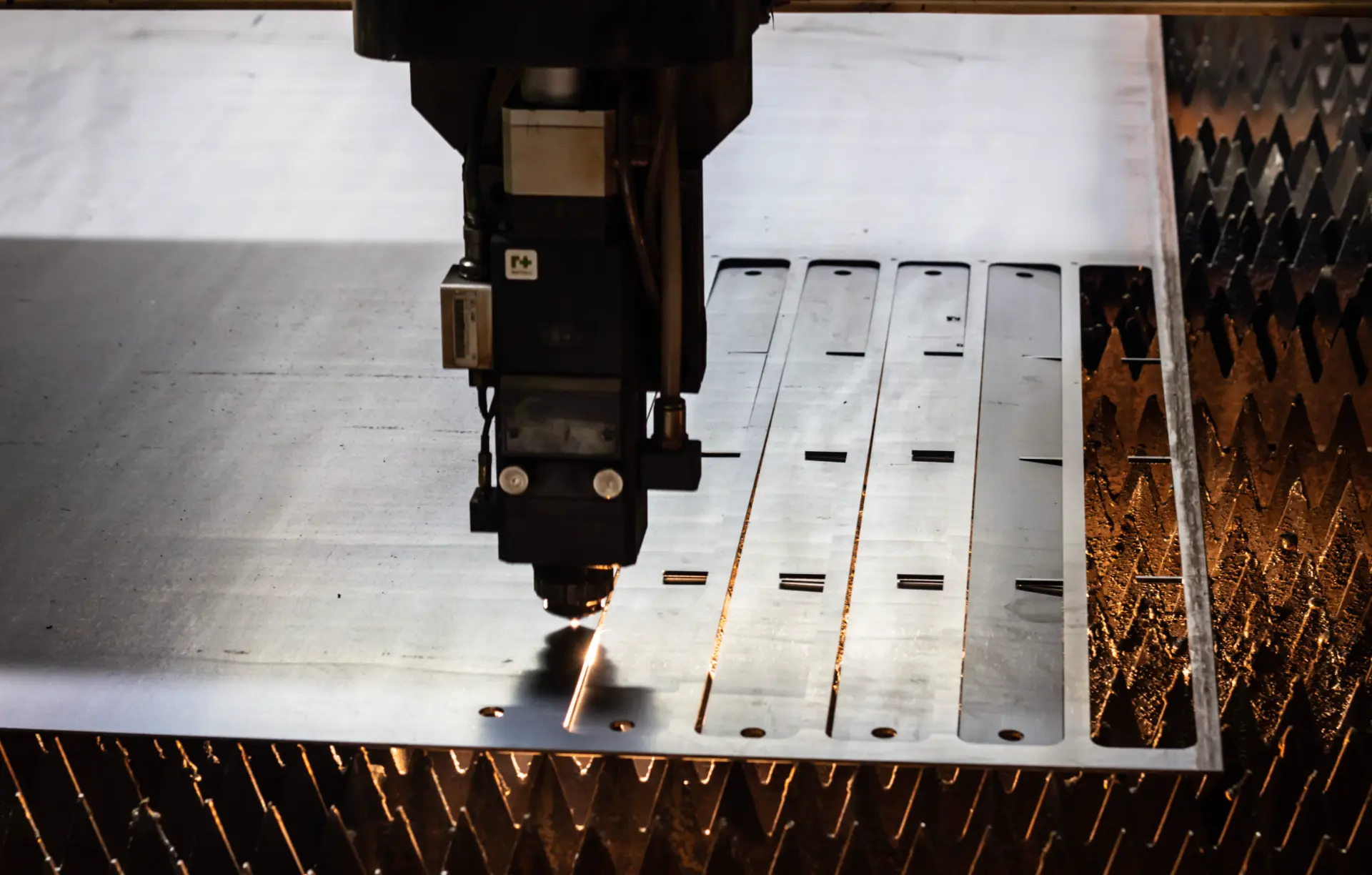
Our capabilities include laser, high definition plasma and CNC profile cutting, drilling, countersinking, bending, rolling and chamfering. SPS also processes wear and liner plates to support project ready installation.
Send our team your current grade, plate thickness, drawings, wear conditions and replacement history. We will help you assess the requirement and identify a practical wear plate solution.